Strength & nutrition coaching · for women after menopause
You're working harder than ever. So why isn't it working?
If you're eating less, moving more, and the scale still won't cooperate, the problem isn't your effort. As we get older, the way our bodies repair and rebuild muscle becomes less responsive, and the plan that worked at 40 quietly quits on you.
So I don't make weight loss the goal. I make strength the goal, and let the rest follow.
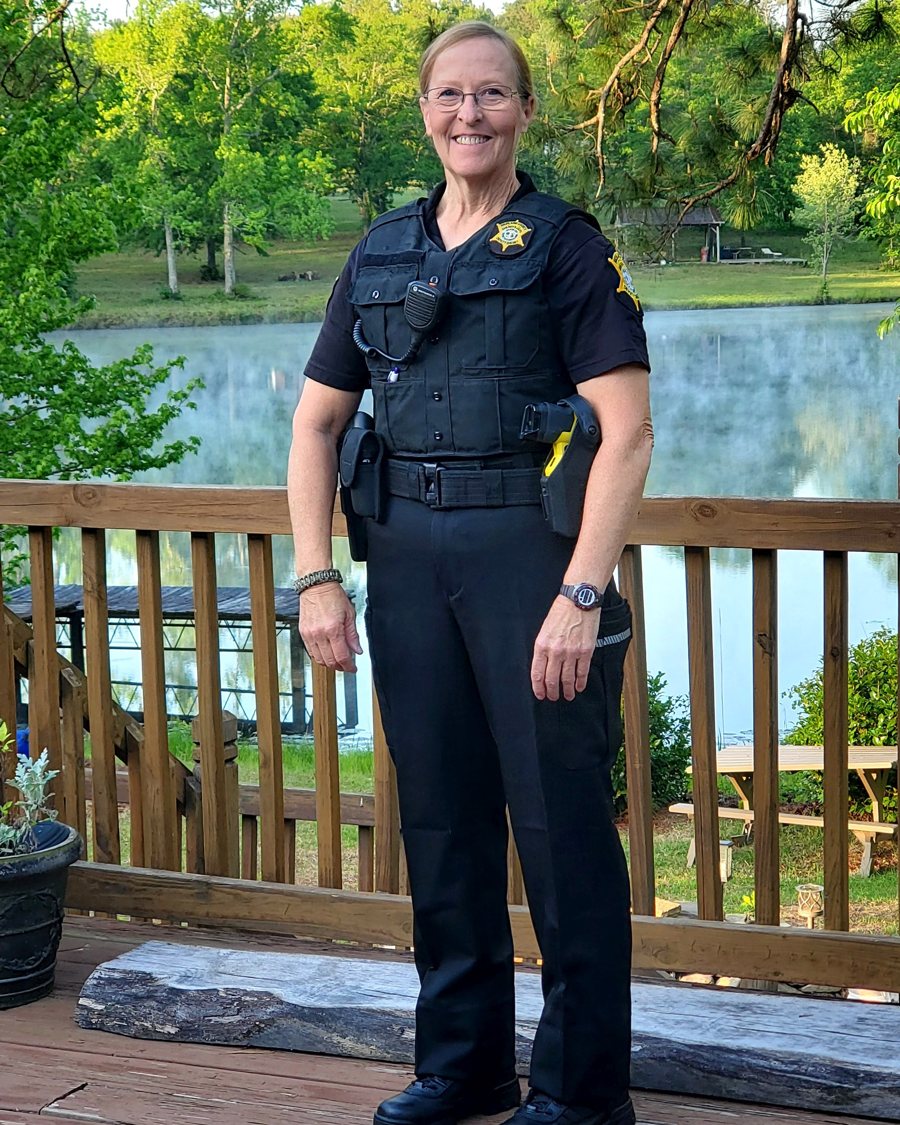
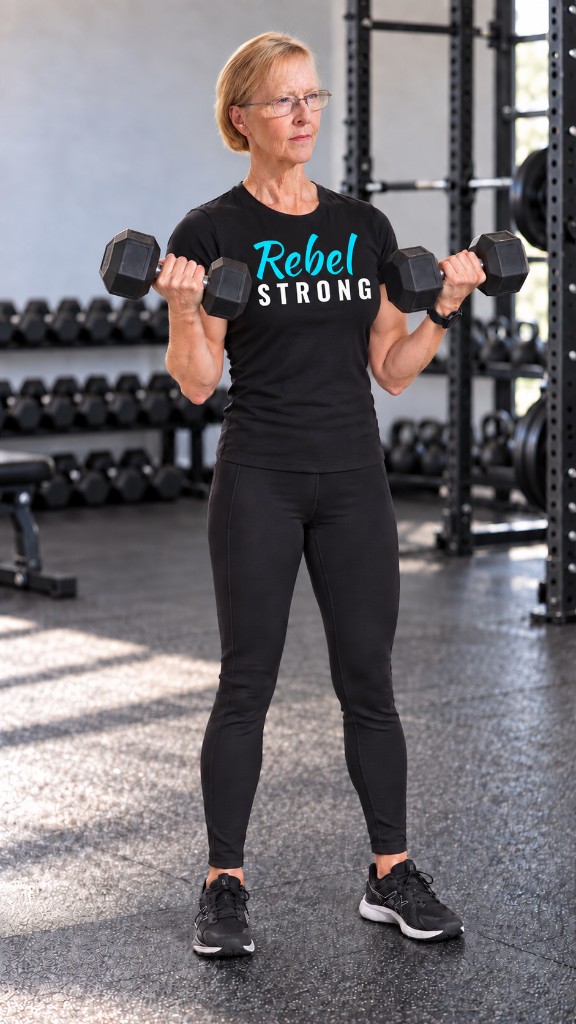
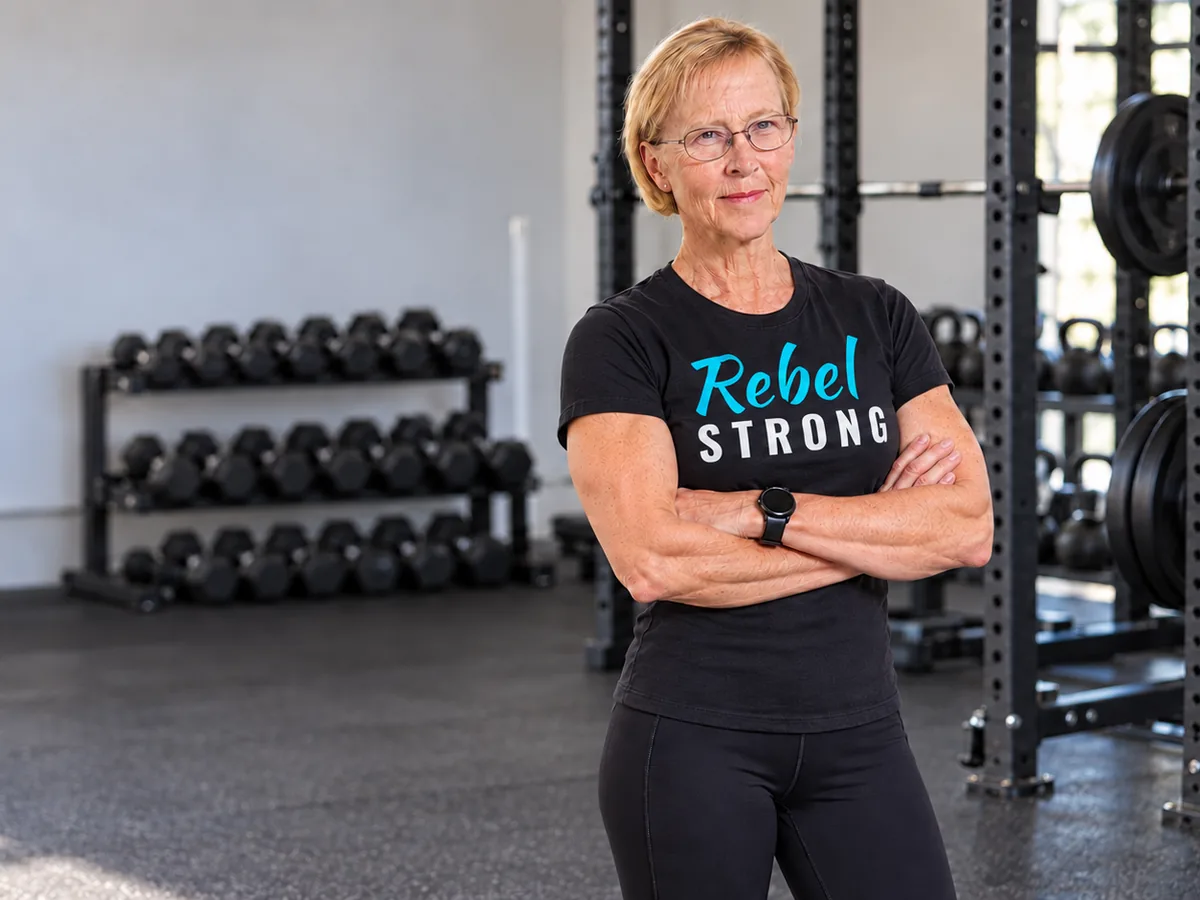
That was me: eating less, moving more, tired and not smaller. At 64 I changed the goal.
JoAnn Gibson · your coach
Sound familiar?
You've done the work. The work hasn't paid you back.
If you nodded at two of those, keep reading. None of them mean you're doing it wrong. They mean you were handed the wrong script.
Why what used to work stopped working
Your body is always rebuilding muscle. With age, it gets less responsive.
Less activity, an illness, or simply not eating enough protein can make it harder to hold on to the muscle you have. And muscle is what keeps your body capable: on the stairs, with the groceries, down on the floor with a grandkid.
Here's the part nobody tells you. When you cut calories and add cardio, the scale may move. But some of what you lose can be muscle and strength, not just fat. You end up smaller, and no better off.
In a 15-week trial of postmenopausal women, those who trained at least twice a week reduced abdominal fat compared with a control group.1: Nilsson et al., Maturitas (2023) In a separate 20-week study of women 40–60, ten weeks of resistance training produced strength gains in both pre- and postmenopausal groups.2: Isenmann et al., BMC Women's Health (2023)
The good news
Your muscles still respond. Give them a reason.
Resistance gives them a reason to grow stronger. Protein supplies the building materials. Rest gives your body time to do the work. That's the whole method. Not a secret, not a supplement. The hard part isn't knowing it. It's turning it into a routine that fits your week, and adjusting it when your body responds differently than the plan expected. That's what a coach is for.
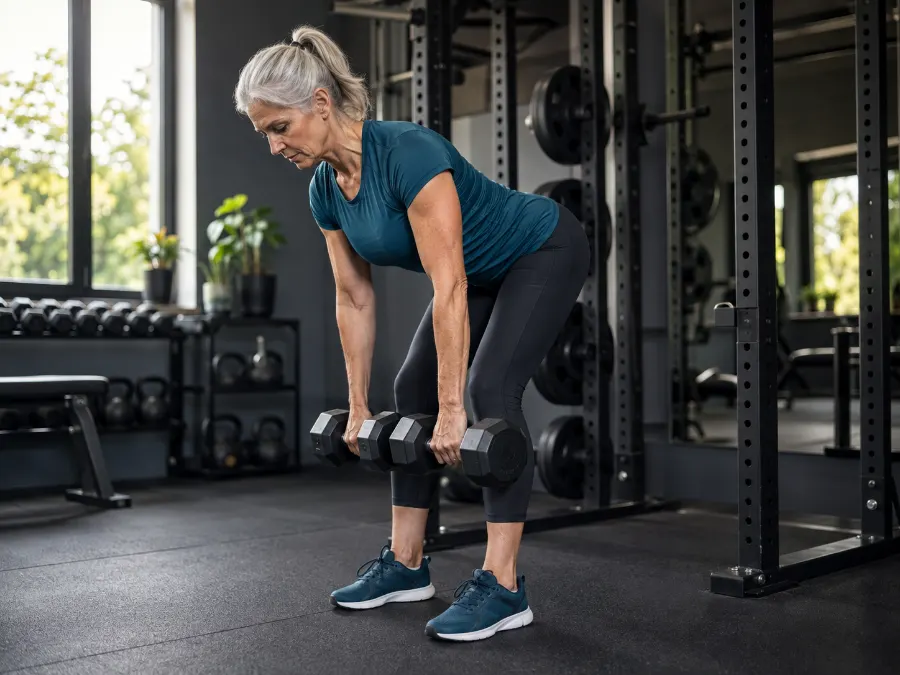
Train with a purpose.
Learn what to do and how to do it. Start at your level, then build from there.
Strength training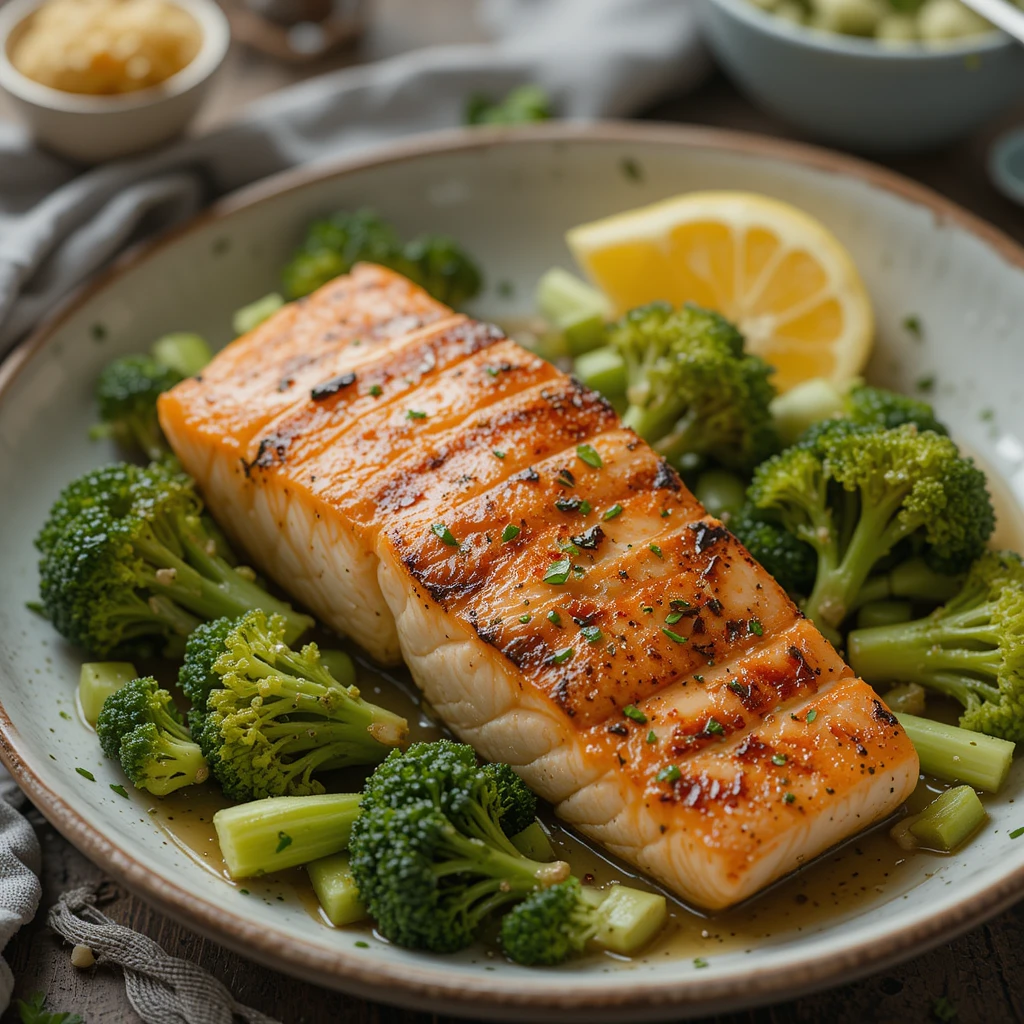
Eat food you enjoy.
Satisfying meals with clear protein numbers, so eating enough is a pleasure, not a chore.
Have someone in your corner.
Recipes and workouts are information. Coaching is putting it into practice, and working through what gets in the way.
Coaching & accountabilitySo we change the goal
Get smaller if that's what your body needs. Never get weaker.
Weight loss can be a result of training this way. It's just not the goal. A goal of "smaller" will happily cost you muscle to get there. A goal of "stronger" won't.
The cost of the old way
Lighter on the scale. Weaker on the stairs.
Do it the old way for another five years and that's what it can look like. Less muscle to get out of a low chair, to catch yourself when you stumble, to carry your own suitcase on the trip you keep putting off.
Muscle doesn't get easier to rebuild with time, and you don't get the year back. Start before another season goes by.
Meet your coach · JoAnn Gibson
I didn't learn this in a textbook first. I learned it at 64.
NASM Certified Personal Trainer · NASM Certified Nutrition Coach
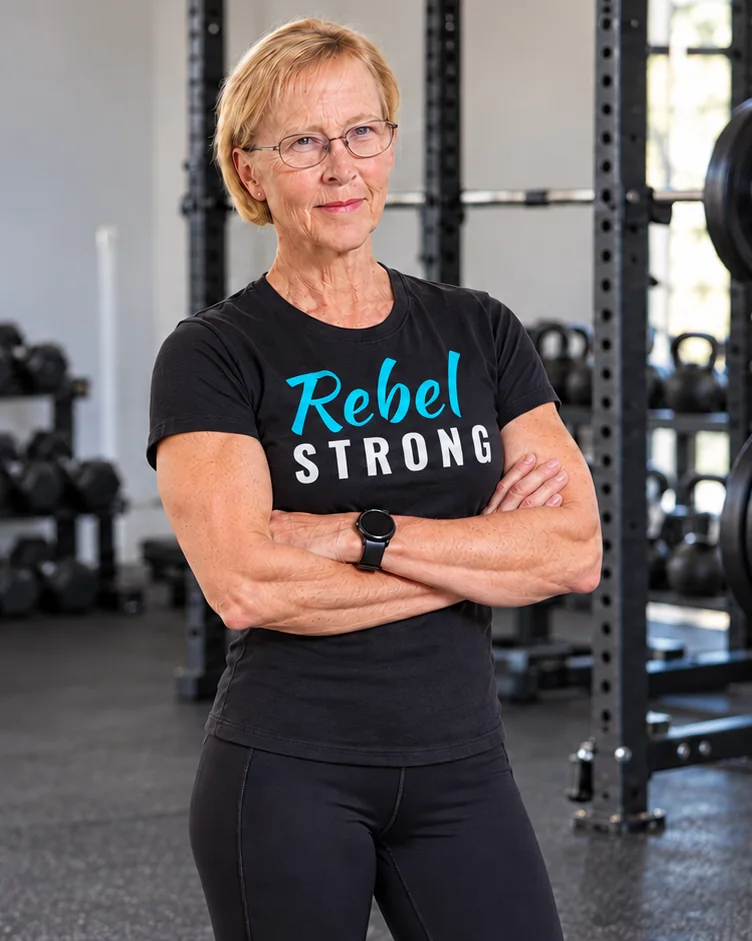
At 64, I was doing what most women do: eating less, exercising more, and wondering why I was tired and not smaller. So I hired a trainer.
What I learned changed the goal for me. I could still build strength. Along the way I lost 35 pounds, and I got stronger while I did it. That's what sent me back to school for my training and nutrition certifications.
I'm 66 now. I train the way I coach, because I believe in being a good steward of the body God gave me, and that job doesn't end at 60. I coach women after menopause. A plan only works if it's built for the woman following it, and that takes someone paying attention.
What working together looks like
A strength plan for you. A coach to help you follow it.
- A strength plan built to your current level, taught exercise by exercise. The first weeks are about learning the movements, not surviving them.
- Protein-focused recipes with clear numbers, so eating enough is satisfying instead of a chore.
- Regular check-ins where we look at what's working and adjust, and work through whatever is getting in the way.
- Built around your week. We settle the days and the session length on the call, not before.
This is for you if…
- You're past menopause and ready to train for strength, not just a number.
- You'd rather learn it right than keep guessing.
- You'd rather work with one coach who knows you than a program built for everyone.
It's probably not for you if…
- You want a 30-day fix.
- You want the weight off at any cost, muscle included.
- You want a PDF and a pat on the back.
A few things you may be wondering
You don't need it all figured out.
What if I've never lifted weights?
Most women I talk to haven't. We start with the movements, at a weight that feels almost too easy, and I teach each one until you own it. Then we add a little at a time.
I'm worried about getting hurt.
That's a reasonable worry, and it's why we don't rush. Form comes first, load comes slowly, and every exercise has a version that fits where your body is today. If you have a condition or an injury, we'll talk about it on the call, and I'll ask you to check with your doctor before we begin.
Can I keep walking or doing cardio?
Yes. Walking stays. We make room for the strength work alongside it, and we make sure you're eating enough to support both.
How much time does this take?
Less than you'd think, and it's built around your week rather than the other way around. We'll be specific about days and session length on the call.
What happens on the call?
About thirty minutes. We talk about what you want to feel stronger doing, what you've tried, and what's gotten in the way. Then we decide together whether coaching fits. No pressure either direction.
How much does it cost?
We talk first. Once we both know it's a fit, I'll walk you through the options and the pricing on the call. Nothing is paid before we speak.
More life to say yes to
A trip. An afternoon outdoors. Being part of it.
There are things you want to keep doing. Let's build the strength that keeps you saying yes.